
Graduate Stories
Danny Chase – Graduate 2004
A bit about Danny’s background
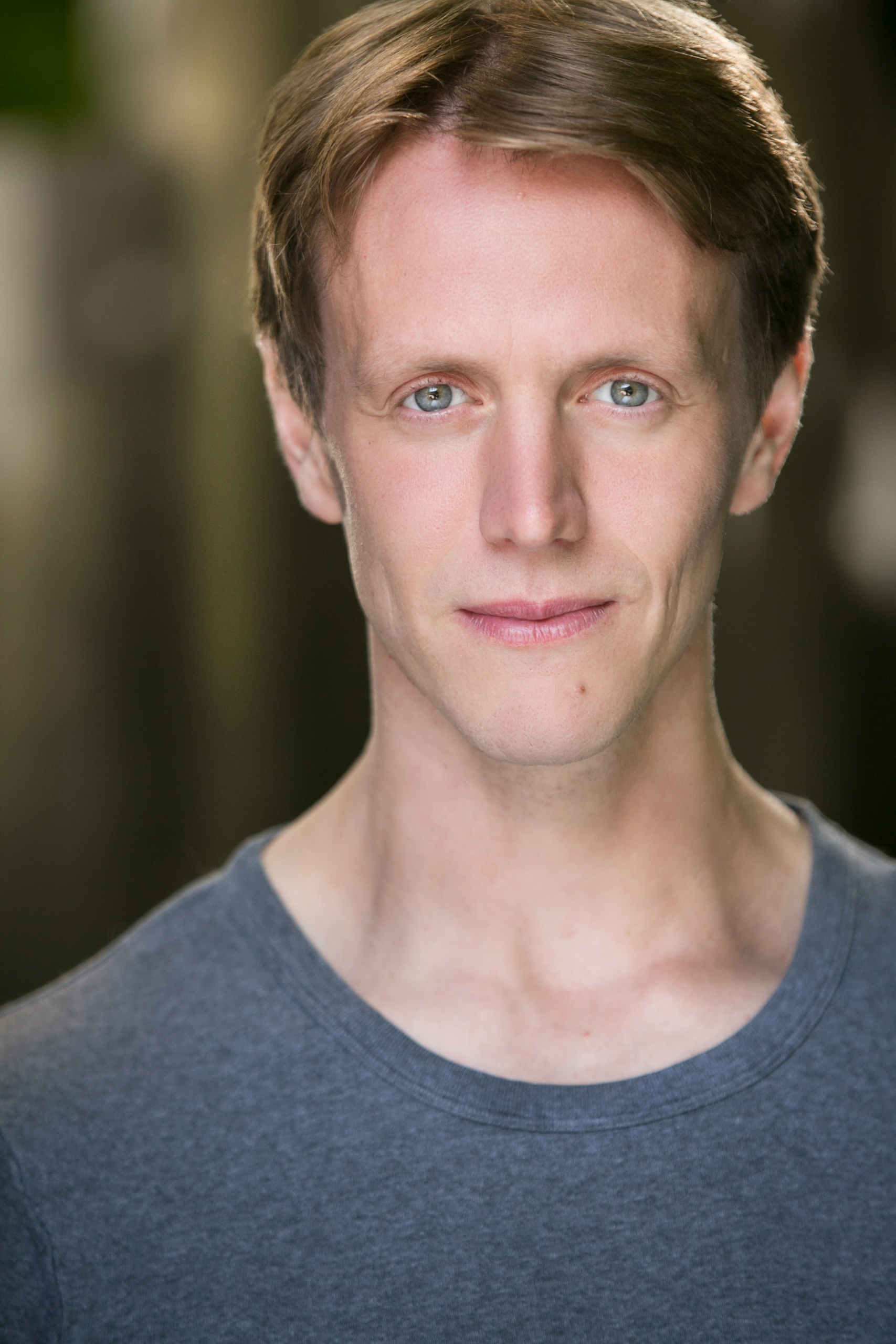
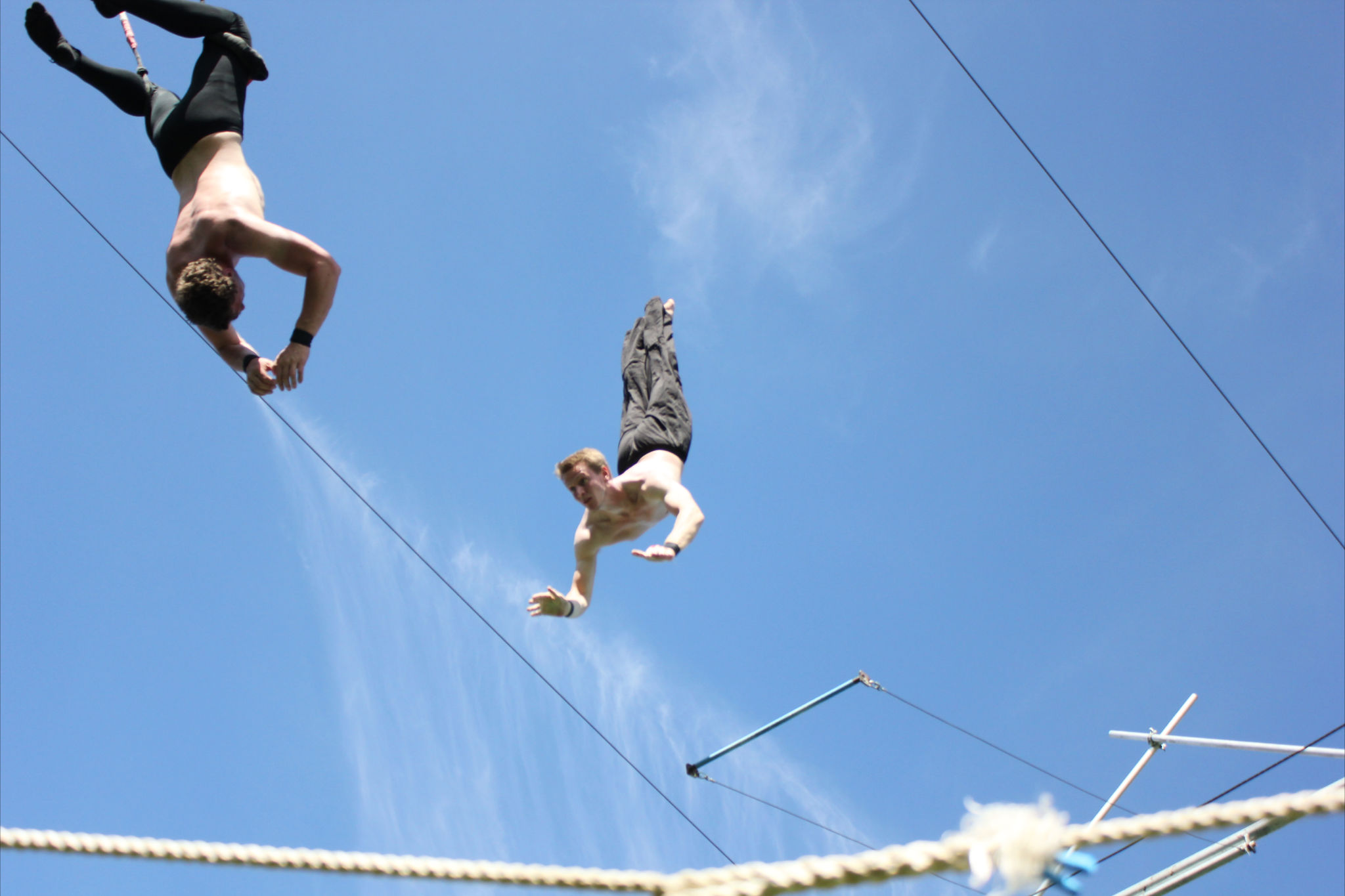
Danny Chase is an exceptional performer, actor and circus artist. He joined Circomedia in 2003, when the training was a one-year course specialising in acrobatics and aerial skills. At 19, Danny arrived with a BTEC in Performing Arts and a strong interest in developing a broad, versatile performance practice.
At the time, Circomedia’s course focused entirely on practical training, with no academic component. Danny was drawn to circus after being encouraged to gain life experience before applying to drama school. Keen to expand his skill set and make himself as employable as possible, he chose circus training as a way to combine physicality, performance and storytelling.
Originally applying to Circus Space, Danny was redirected to Circomedia, where tutors felt his theatrical strengths would be particularly well suited to the schools approach.
What would you say was a highlight in your circus and acting career?
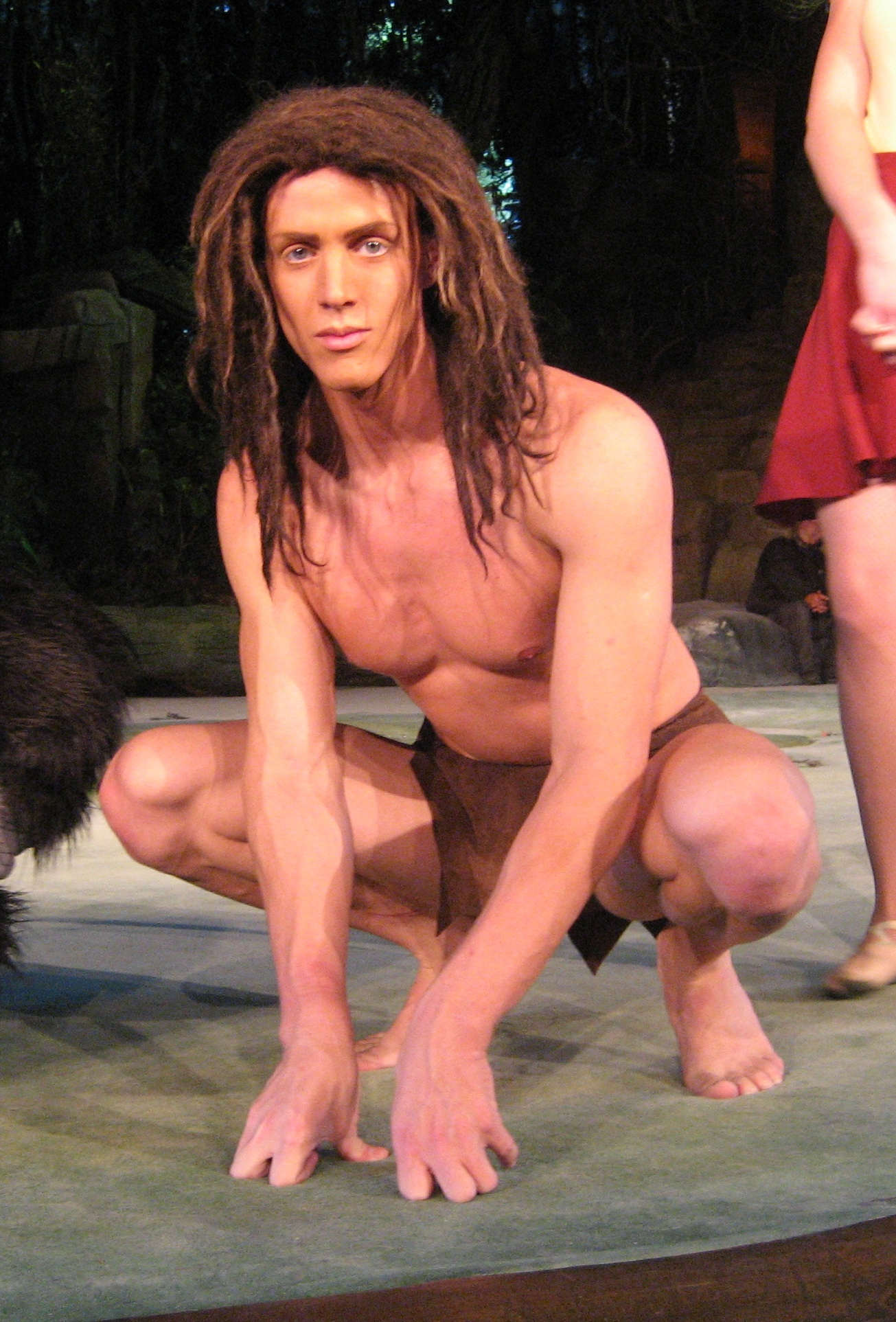
“Tarzan at Disney Land Paris!” A role in which he was recommended, by others, to the Circomedia media agency. The role of Tarzan entailed an aerial double straps routine with character Jane. The audition took place in Paris where he describes the audition as “one of the proudest moment of his life.”
We were in this room and they had some straps and there was a bunch of dudes there all bigger than me, all proper circus dudes. And we went through the audition doing various things and then it got to a stage where they said show us anything you want so one by one these guys got up on straps and did like planches and strong man stuff. And I’m sat there thinking I can’t compete with this I need another angle and it came to me and
I just completely ignored the straps and jumped up on the panel of judges table and started being like an ape, I took off this guys glasses and interacted as if I’ve never seen glasses and it worked, I got the job. And went off to do the show for 6 months.
Following this period, Danny felt he had reached a peak in his circus career and began looking to steer his practice back towards acting. This led him to drama school, where he went on to train at ArtsEd in London, marking a return to his roots as an actor while carrying forward the physical and performance skills developed through circus.
Right as my time there was ending, I was very lucky to be auditioned for a West End show called ‘Love Never Dies’ by Andrew Lloyd Webber. A sequel to Phantom of the Opera.
Danny shared about being given a role in the general ensemble and as an Acrobatic swing.
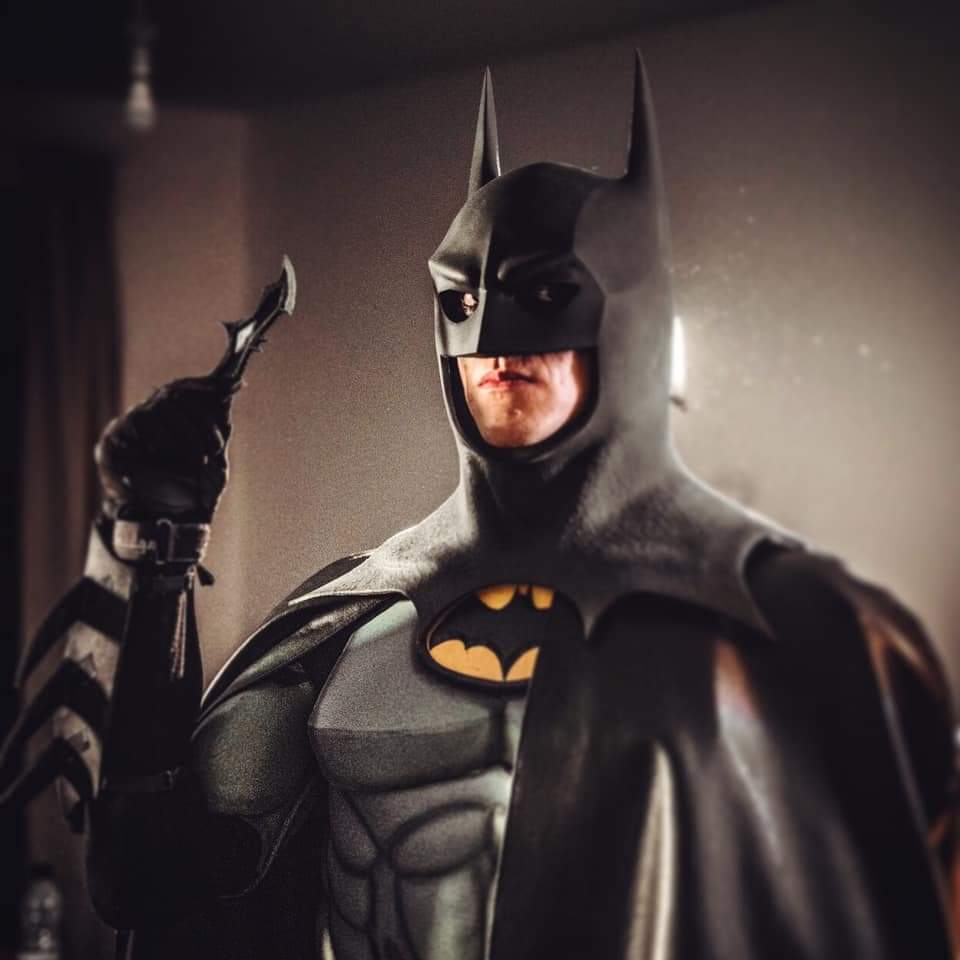
“I got super lucky because right at the end of that, they were casting for the show ‘Batman live’ which was this big arena show.” As before Danny only mentions his ‘luck’ and reframes to praise or even mention his talent attributing to his success in securing the role.
We discussed the ever-changing landscape of the performing arts industry, the rising cost of living, and how performer rates have struggled to keep pace. Danny spoke openly about the highs and lows of life as a performer and the emotional resilience required to navigate an unpredictable career.
Reflecting on his early circus days, Danny shared:
“that’s something I really miss, actually, from when I left Circomedia — that feeling of doing any kind of performance work.”
Danny also talked candidly about the complex emotions that can follow major career milestones. Performing in the West End, for example, can bring an incredible sense of achievement, yet work that follows may feel like a ‘downgrade’. This sparked a wider conversation about how traditional ideas of promotion don’t always apply in the performing arts. Instead, careers are marked by huge highs, unexpected lows, and sometimes long stretches of no work at all.
The journey is undulating, not just financially, but mentally. One moment you may be surrounded by collaborators, at the centre of a creative project; the next, you can find yourself suddenly alone and isolated. One day you’re performing to thousands, under lights and cameras, to roaring audiences. Within 24 hours, you might be running a small workshop, being sneezed on by children determined to hide or break your kit.
That’s show business.
Danny shared his view that the industry feels significantly more competitive now than when he was starting out. Alongside this, he spoke humbly about how much of his own success he attributes to luck.
Reflecting on his early career, Danny said:
I didn’t really expect it to go anywhere. I certainly didn’t expect to become a professional circus performer… I had some job offers straight from my end-of-year show. I didn’t have to put myself out there or do any promotional work. I think I was very lucky in that regard.
This led into a wider discussion about the growth of the industry and its increasing competitiveness. We explored both sides: the challenges this brings for performers entering the field, and the positives — more work being created, higher standards, and a broader range of opportunities. Each point raised was met with a counterpoint, and ultimately, no clear conclusion emerged.
Perhaps that in itself is the reality. The challenges of employment in the performing arts are deeply individual, and both of us recognised how much of our own journeys have been shaped, at least in part, by luck.
What advice would you give our current students or future circus professionals?
Learn to tumble. It gives you good body awareness which helps you get you over fear and you will learn things quicker. Also, the way you do something is as important as what you’re doing. Whatever you’re doing commit to it.
You can watch snippets of Danny Chase’s work over on his YouTube page and look at more of his onscreen acting on his IMDB.